
Introduction
The business landscape is changing faster than ever before. From rising customer demands to complicated global supply chains and dispersed workforces, companies must find more intelligent methods of managing their workflows and making informed decisions.
That’s one of the primary reasons Why Successful Businesses Are Switching to ERP Software in 2026. ERPs have emerged as the go-to technology for businesses seeking to streamline operations, improve productivity and achieve long-term growth.
No matter whether your business is focused on manufacturing, retail, distribution, or services, ERP software can transform how you operate. In this guide, we will uncover why ERP systems have become the bedrock of successful modern business.
What Is ERP Software?
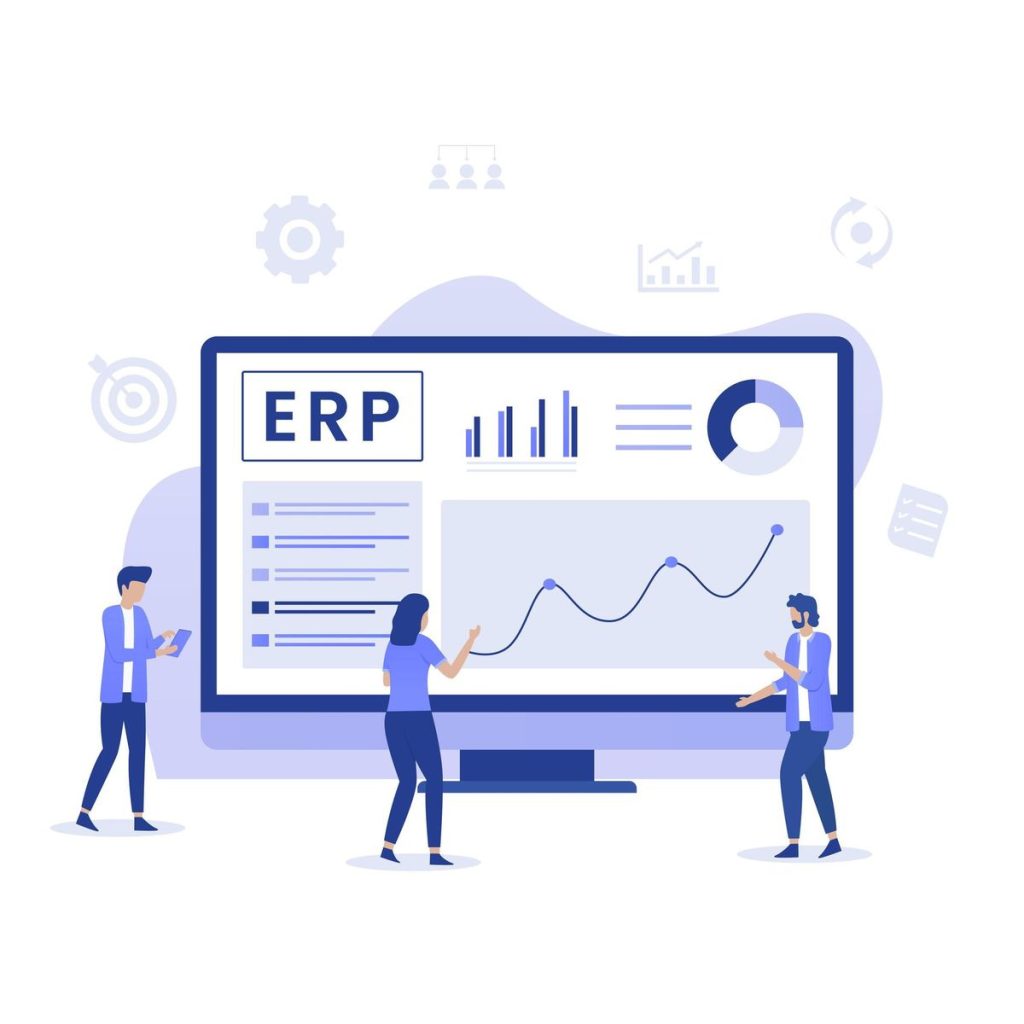
ERP (Enterprise Resource Planning) software is an integrated business management solution that ties together different departments within a unified system.
Rather than use different software for accounting, inventory, sales, HR, procurement, and production, ERP brings all those things together in one central location.
This allows businesses to:
Access real-time data Automate repetitive tasks Improve collaboration Eliminate data duplication Make faster decisions
Why Successful Businesses Are Switching to ERP Software in 2026
The digital transformation wave is sweeping through industries globally. There’s little room left for businesses to rely on spreadsheets, disparate systems, and manual processes.
Why Are Successful Businesses Switching to ERP Software? For starters, they want more control, accuracy, and scalability.
Today’s ERP solutions offer:
Cloud Accessibility AI-Powered Insights Real Time Reporting Advanced Automation Mobile Access Improved Security
Key Benefits of ERP Software
Centralized Data Management
One of the best benefits of ERP software is centralized information.
Without ERP, departments usually use different databases and spreadsheets, leading to confusion, duplicate entries, and bad reports.
ERP gives you a single source of truth – everyone looks at the exact same real-time data.
Benefits include:
Accurate reporting Improved transparency Better communication Reduced errors
That’s also one of the main reasons why successful businesses are switching to ERP software all over the world.
- Improved Productivity Through Automation
Manual processes eat up your time and increases the chances of errors.
ERP software automates routine tasks such as:
Invoicing Updating inventory Processing payroll Creating purchase orders Generating financial reports
Automation frees up employees to focus on meaningful work instead of monotonous admin tasks.
This leads to increased business productivity and less waste.
- Better Decision-Making with Real-Time Insights
Business decisions are only as good as the data they’re based on.
ERP systems provide:
Real-time dashboards Business intelligence reports Performance analytics Financial forecasting
Leaders get instant visibility into every part of their business. They respond quicker to market trends and make better decisions.
- Cost Reduction Across Operations
Reducing costs without compromising on quality is top of mind for every business.
ERP software helps lower costs by:
Eliminate redundancies Reduce inventory waste Improve resource usage Minimize human error Streamline workflows
Many businesses find they save big on costs after implementing an ERP solution, which can make it well worth the long-term investment.
- Enhanced Customer Experience
Customers want fast service, accurate information, and effortless experiences.
ERP systems improve customer satisfaction by providing:
Faster order processing Real-time inventory visibility Better communication Accurate delivery timelines Improved support services
Happy customers equal repeat business and brand loyalty.
This customer-centric advantage is another reason Successful Businesses Are Switching to ERP Software in record numbers.
How ERP Software Supports Business Growth
Growth brings complexity.
The bigger your company gets, the harder it is to manage things manually.
ERP software supports growth by:
Scalability
ERPs scale up along with your organization – you don’t have to tear everything out and replace it.
Process Standardization
Consistent workflows help increase efficiency and ensure quality across teams.
Multi-Location Management
Businesses with multiple branches can manage everything from one platform.
Financial Control
ERP gives you full visibility into your revenues, expenses, cash flow, and profitability.
Regulatory Compliance
Many ERP solutions come with compliance management tools which will help businesses meet their industry’s regulations.
Together, these capabilities form the perfect springboard to success.

Industries Benefiting from ERP Systems
ERP software isn’t just for the big guys anymore.
Today, companies of all sizes from every industry you can think of are deploying ERP solutions.
Manufacturing
• Production planning • Inventory control • Quality management • Supply chain optimization
Retail
• Inventory tracking • Sales management • Customer relationship management
Distribution
• Warehouse management • Order fulfillment • Logistics coordination
Healthcare
• Resource planning • Financial management • Compliance tracking
Service Based Businesses
• Project management • Employee scheduling • Billing automation
This wide-spread use also underscores why more successful businesses are switching to ERP software in 2026.
Essential Features to Look for in ERP Software
Choosing the right ERP solution is critical.
Look for these important features:
Financial Management
Comprehensive accounting and reporting capabilities
Inventory Management
Real-time stock monitoring and control
Sales and CRM
Customer relationship and sales pipeline management.
Procurement Management
Streamlined purchasing processes
Human Resource Management
Employee records, payroll, and attendance tracking
Reporting and Analytics
Custom dashboards and performance insights.
Cloud Accessibility
Secure access from anywhere.
Mobile Compatibility
Manage operations on the go.
A feature-rich ERP platform ensures you get maximum value and long-term success.
Challenges Businesses Face Without ERP
Those who wait too long can face serious problems.
Data Silos
Departments are siloed, which creates communication gaps.
Manual Errors
Spreadsheets also add more inaccuracies Inaccuracies creep up when data starts getting stored in spreadsheets because spreadsheets are prone to errors. There can be typos while entering data and formulas may not have been set up correctly. Also, there are many different versions of spreadsheets that get created (such as ‘Final Final’ and ‘
Slow Reporting
Generating reports is time-consuming and typically results in stale insights.
Limited Visibility
Management struggles to get a holistic operational view
In an increasingly digital world, manual systems are becoming obsolete and difficult to maintain as organizations grow. This is true even for relatively small businesses that have experienced significant growth. Furthermore, larger companies face even greater challenges when operating across multiple locations and time zones. As a result, they struggle to achieve a comprehensive understanding of their day-to-day operations
Poor Customer Service
Delayed responses and order errors affect customer satisfaction.
This is why many growing businesses focus on ERP implementation.
How to Choose the Right ERP Solution
Not every ERP system is the same
Follow these steps when selecting a solution:
Define Business Requirements
Determine your current operational pain points and objectives.
Consider Scalability
Choose software that will be able to grow with you.
Evaluate Integration Capabilities
Make sure that your idea can integrate well with what is already available on the market. This will give you an edge over other inventors who are trying to bring new concepts without considering compatibility. It is worth noting that a product which does not fit well with current products is likely to be ignored by customers.
Assess User Experience
A user friendly interface increases adoption rates
Review Vendor Support
Reliable Technical Support is key to your long term success
Compare Costs
Analyze implementation, licensing, training and maintenance expenses.
A meticulous analysis process helps maximize ERP ROI.
Future Trends of ERP Software in 2026
ERP technology continues to evolve rapidly.
Key trends shaping the future include:
Artificial Intelligence (AI)
AI-powered forecasting and decision making tools
Machine Learning
Improved business insights through predictive analytics
Cloud-Based ERP
Greater flexibility. Lower infrastructure costs.
Mobile ERP
Access business data anytime, anywhere.
Advanced Automation
More intelligent workflow automation abilities
Enhanced Cybersecurity
Stronger protection against data breaches and cyber threats. Businesses embracing these innovations will get a significant competitive advantage
Conclusion
In today’s fast-paced digital economy, efficiency, visibility, and agility are critical to success. That’s why Successful Businesses Are Switching to ERP Software in 2026.
Unifying operations, automating processes, improving decision making, reducing costs, and creating exceptional customer experiences are just a few of the reasons why the right ERP system can help transform your startup, SME, or large enterprise for long-term growth.
As competition intensifies and business operations get more complex, ERP software is no longer a luxury—it’s a strategic necessity. Companies investing in ERP today will be best positioned to lead, innovate, and thrive tomorrow.