
Managing business finances involves much more than recording sales and expenses. Businesses need to create accurate GST invoices, maintain purchase records, track payments, manage inventory, calculate taxes, reconcile transactions, and generate financial reports.
When these activities are handled manually or through multiple disconnected tools, maintaining accurate records can become difficult. Even a small mistake in an invoice, purchase entry, tax calculation, or payment record can affect financial reporting and business visibility.
This is where GST Accounting Software can make a significant difference.
Modern GST accounting solutions combine accounting, GST billing, sales, purchases, inventory, payments, and financial reporting in one connected system. Instead of maintaining separate records for different business activities, businesses can manage their day-to-day financial operations from a centralized platform.
For small businesses, retailers, wholesalers, manufacturers, distributors, and service providers, the right software can simplify routine accounting work while providing better control over financial information.
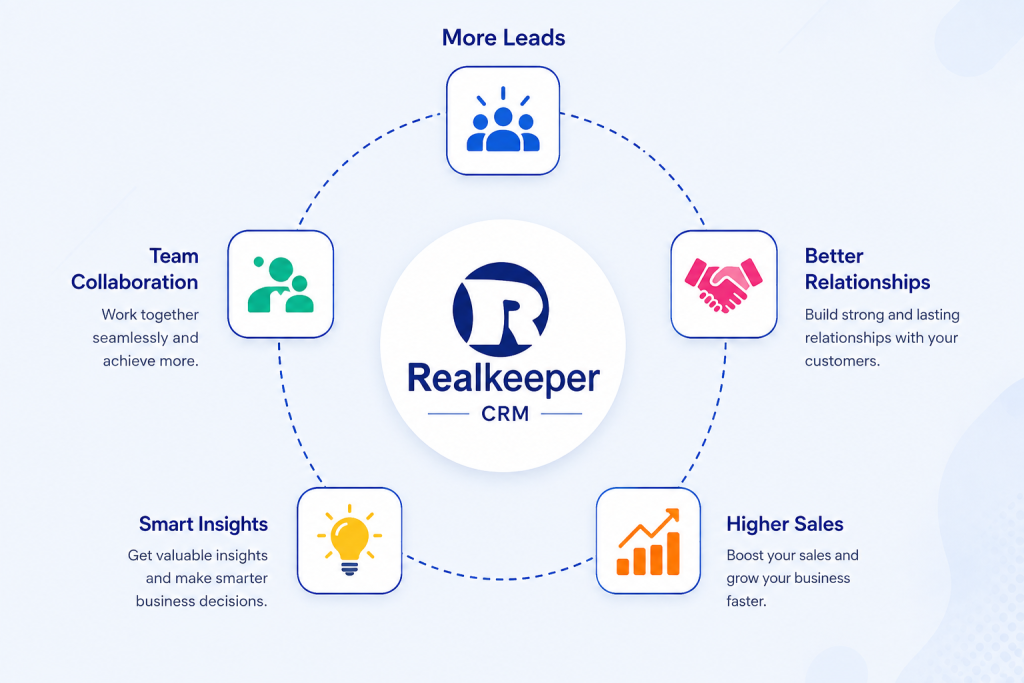
What Is GST Accounting Software?
GST Accounting Software is business accounting software designed to help organizations manage their financial transactions along with GST-related billing and records.
It can connect different financial activities such as:
- GST invoicing
- Sales management
- Purchase management
- Expense tracking
- Customer and supplier accounts
- Inventory management
- Payment tracking
- Tax calculations
- Financial reporting
- Outstanding management
- Business accounting
Instead of entering the same information repeatedly in different systems, an integrated platform can connect transactions across different business functions.
For example, when a business creates a sales invoice, the transaction can be connected with customer records, inventory, payment status, and accounting records.
This creates a more organized flow of business information.
Why Businesses Need GST Accounting Software
GST has become an important part of day-to-day business accounting in India. Businesses need to maintain proper transaction records and ensure that invoices contain the necessary information.
However, GST management is only one part of accounting.
A business also needs to answer questions such as:
- How much did we sell this month?
- How much do customers owe us?
- How much do we owe suppliers?
- What are our major expenses?
- Which products are selling?
- How much stock is available?
- What are our purchase costs?
- What is our overall business performance?
- What financial reports do we need?
Managing all of this manually can consume considerable time.
GST Accounting Software helps bring these activities together so businesses can manage accounting and operational information from one system.
7 Powerful Benefits of GST Accounting Software
1. Simplify GST Billing and Invoicing
Creating invoices is one of the most frequent tasks for many businesses.
A proper GST Accounting Software solution can simplify invoice creation by allowing businesses to maintain customer, product, pricing, and tax information in an organized system.
Businesses can generate GST invoices with relevant details such as:
- Business information
- Customer information
- Product or service details
- Quantity
- Price
- Discount
- Applicable GST
- Invoice number
- Payment information
This reduces the need to prepare every invoice manually.
A structured invoicing process also makes it easier to search for previous invoices and maintain transaction records.
For businesses handling a large number of daily transactions, faster invoice creation can save significant administrative time.
2. Connect Sales With Accounting
Sales and accounting are closely connected.
Whenever a business makes a sale, the transaction affects revenue, customer balances, inventory, taxes, and potentially cash flow.
With separate systems, employees may need to enter the same information multiple times.
Integrated GST Accounting Software can connect sales transactions with accounting records.
For example:
Sales Invoice → Customer Account → GST Record → Payment Status → Accounting Report
This connected flow helps businesses maintain more organized records and reduces unnecessary duplicate data entry.
It also gives business owners better visibility into sales and financial activity.
3. Manage Purchases and Supplier Transactions
Accounting is not only about sales.
Businesses also need to manage purchases from suppliers, vendor payments, purchase invoices, and outstanding balances.
A good GST accounting system can help businesses maintain organized purchase records and connect them with supplier accounts.
Businesses can track information such as:
- Purchase invoices
- Supplier details
- Purchase amounts
- GST details
- Payment status
- Outstanding amounts
- Purchase history
This makes it easier to understand how much has been purchased and how much is still payable.
For businesses with multiple suppliers, organized purchase accounting can also make financial management more efficient.
4. Improve Expense and Payment Tracking
Expenses can easily become difficult to control when records are maintained in notebooks, spreadsheets, or scattered files.
Businesses may have expenses related to:
- Rent
- Salaries
- Transportation
- Electricity
- Office expenses
- Purchases
- Repairs
- Marketing
- Professional services
GST Accounting Software can help businesses record and organize expenses along with other financial transactions.
Payment tracking is equally important.
Businesses need to know:
Who has paid?
Who has not paid?
How much is outstanding?
Which supplier payments are due?
By maintaining customer and supplier payment records in one system, businesses can get a clearer view of their receivables and payables.
5. Keep Inventory and Accounting Connected
For businesses that sell physical products, inventory and accounting cannot be treated as completely separate activities.
Every purchase can increase stock.
Every sale can reduce stock.
Therefore, businesses need accurate information about both financial transactions and inventory movement.
An integrated GST Accounting Software system can connect billing with inventory management.
For example:
Purchase → Stock Increase → Sales → Stock Reduction → Payment → Accounting
This can help businesses maintain more consistent records.
Instead of checking inventory separately from sales invoices, users can work with connected information.
This is particularly useful for retailers, wholesalers, distributors, and manufacturers managing a large number of products.
6. Generate Useful Financial Reports
Business owners need financial information to understand how their business is performing.
Simply recording transactions is not enough.
The information needs to be converted into useful reports.
Modern accounting software can help businesses generate reports such as:
- Profit & Loss
- Balance Sheet
- Trial Balance
- Cash Flow
- Ledger
- Day Book
- Sales Reports
- Purchase Reports
- GST Reports
- Outstanding Reports
- Inventory Reports
- MIS Reports
These reports can provide a clearer picture of business finances.
For example, a Profit & Loss report can help a business understand its overall income and expenses, while an outstanding report can help identify pending customer or supplier payments.
Having organized reports available from the same system can make financial monitoring more convenient.
7. Reduce Manual Accounting Work
Manual accounting requires repetitive data entry.
An employee may need to enter customer information, invoice details, payment records, purchase information, and accounting entries separately.
This takes time and increases the possibility of human errors.
GST Accounting Software can reduce repetitive work by connecting different business processes.
For example, information entered during billing can become part of the accounting record without requiring the same transaction to be entered again manually.
This can help businesses:
- Save administrative time
- Reduce duplicate entries
- Organize financial records
- Improve transaction visibility
- Access information faster
- Maintain more consistent records
The goal is not simply to replace manual work with software. The real benefit is creating a connected workflow where business information can move efficiently between different processes.
GST Accounting Software for Small Businesses
Small businesses often operate with limited staff, which means the same person may handle billing, purchases, payments, inventory, and basic accounting.
Managing all these activities manually can become difficult as transaction volume increases.
GST Accounting Software for Small Business can provide a centralized platform for managing these activities.
Instead of maintaining separate spreadsheets for sales, purchases, customers, expenses, and payments, businesses can organize them within one system.
This can be especially useful for:
- Retail stores
- Wholesalers
- Distributors
- Service businesses
- Traders
- Small manufacturers
- Startups
- Growing SMEs
The important factor is usability.
Software should simplify accounting rather than create another complicated process for employees.
GST Accounting Software vs Traditional Accounting Methods
Traditional accounting methods often rely on notebooks, spreadsheets, calculators, and separate applications.
These methods may work when transaction volumes are very small.
However, as a business grows, several challenges can appear.
Traditional Methods
- More manual data entry
- Separate records
- Difficult transaction tracking
- Higher dependence on spreadsheets
- Time-consuming report preparation
- Limited real-time visibility
Digital GST Accounting Software
- Centralized transaction records
- Faster invoice creation
- Connected sales and purchases
- Organized customer and supplier accounts
- Automated calculations
- Faster financial reporting
- Better access to business information
The objective is not simply to digitize accounting. It is to create a more connected and manageable financial workflow.
Important Features to Look for in GST Accounting Software
Choosing accounting software should not be based only on the number of features.
The software should match the actual requirements of the business.
Before selecting a solution, consider the following capabilities.
GST Billing
The system should support GST invoices and relevant tax calculations.
Sales Management
Businesses should be able to create invoices, manage customers, and track sales transactions.
Purchase Management
The software should help maintain supplier records and purchase transactions.
Inventory Management
For product-based businesses, stock management should be connected with sales and purchases.
Payment Tracking
The system should help businesses monitor received and pending payments.
Accounting Reports
Financial reports should be easy to generate and understand.
Customer and Supplier Management
Businesses should be able to maintain transaction histories and outstanding balances.
Cloud Access
Cloud-based software can provide authorized users with convenient access to business information from different locations.
Multi-User Access
Growing businesses may require multiple employees to work on billing, accounts, sales, or inventory.
Data Organization
The software should make it easy to search, review, and manage historical transactions.
Cloud-Based GST Accounting Software
Cloud technology has changed how businesses manage accounting systems.
With cloud-based software, business information can be accessed through an internet-connected device, depending on the software’s access controls and configuration.
This can be useful for business owners who need to monitor operations while away from the office.
For example, an owner may want to check:
- Today’s sales
- Pending payments
- Purchase transactions
- Inventory information
- Financial reports
- Customer balances
Instead of waiting for physical records or a specific office computer, cloud-based systems can provide more flexible access.
This makes Cloud Accounting Software increasingly relevant for businesses that operate across different locations or have owners and managers who need remote access.
How GST Accounting Software Improves Business Visibility
One of the biggest advantages of integrated accounting software is improved visibility.
Consider a business where sales, purchases, inventory, and payments are maintained separately.
The owner may need to check several files or applications to understand the current situation.
With an integrated system, these processes can be connected.
For example:
Sales Data + Purchase Data + Inventory Data + Payment Data + Accounting Data
can provide a more complete view of business operations.
This allows business owners to spend less time collecting information and more time reviewing it.
Better visibility can also help identify areas that require attention, such as increasing expenses, pending payments, low stock, or changes in sales activity.
How RealKeeper Helps With GST Accounting
For businesses looking for an integrated business management solution, RealKeeper combines accounting and operational features within a cloud-based platform.
Its capabilities include GST billing and invoicing, sales and purchase management, inventory and stock management, accounting and business reports, customer and supplier management, and manufacturing-related functions.
This connected approach allows businesses to manage multiple daily processes from one platform instead of relying on completely separate systems.
For manufacturing businesses, the platform also connects areas such as production, BOM, inventory, purchasing, sales, and accounting.
This can be useful when financial transactions need to remain connected with operational activities.
Who Can Use GST Accounting Software?
GST Accounting Software can be useful for different types of businesses, including:
Retail Businesses
Retailers can manage GST billing, sales, inventory, customers, and payments.
Wholesalers and Distributors
Wholesalers can manage larger volumes of sales, purchases, stock, suppliers, and outstanding payments.
Manufacturers
Manufacturers can connect accounting with production, inventory, purchases, sales, and BOM-related processes.
Service Businesses
Service providers can use accounting software to manage invoices, customers, expenses, payments, and financial reports.
Small and Medium Enterprises
SMEs can use integrated accounting software to organize financial records while reducing dependence on multiple disconnected tools.
How to Choose the Right GST Accounting Software
Before choosing software, businesses should first identify their daily accounting requirements.
Ask questions such as:
- Do we need GST billing?
- How many invoices do we generate?
- Do we manage physical inventory?
- Do we need purchase management?
- How do we track customer payments?
- Do we need supplier outstanding records?
- Which financial reports do we require?
- Do multiple employees need access?
- Do we need cloud access?
- Will the software support our business as it grows?
The right solution should be practical for everyday users.
A system with many advanced features is not necessarily useful if employees find basic tasks difficult to perform.
The best approach is to choose software that combines the features the business actually needs with an interface that employees can use comfortably.
The Future of Digital Accounting for Businesses
Business accounting is becoming increasingly connected with other operational functions.
Instead of treating accounting, billing, inventory, sales, purchasing, and payments as completely separate activities, modern businesses are moving toward integrated systems.
This approach can provide several advantages.
A sales transaction can connect with inventory.
A purchase can affect stock.
A payment can update an outstanding balance.
An invoice can become part of accounting records.
Financial reports can bring information from multiple transactions together.
This interconnected approach is one of the main reasons businesses are moving from traditional accounting methods toward modern digital accounting platforms.
Final Thoughts
GST Accounting Software is no longer limited to creating GST invoices.
Modern businesses need a broader financial management system that can connect billing, accounting, sales, purchases, inventory, payments, customers, suppliers, and financial reporting.
The right software can reduce repetitive manual work, organize financial information, simplify GST billing, improve payment tracking, and provide better visibility into business performance.
For growing businesses, an integrated accounting platform can also create a stronger foundation for managing increasing transaction volumes and operational complexity.
Whether you operate a retail store, wholesale business, manufacturing company, distribution business, or service organization, choosing a practical GST Accounting Software solution can help bring important financial activities together and make everyday business management more organized.