
Running a business is not just about selling products or services. The real challenge starts when you have to manage payments, invoices, taxes, and financial records.
Many small business owners still rely on manual billing methods like Excel sheets or handwritten invoices. That might work in the beginning, but as your business grows, it becomes a mess.
Errors increase. Payments get delayed. Records go missing.
This is exactly where billing management software becomes a game-changer.
In 2026, businesses that are not using billing management software are already behind. If you want speed, accuracy, and control over your finances, you need a smarter system.
Let’s break it down in a simple way.
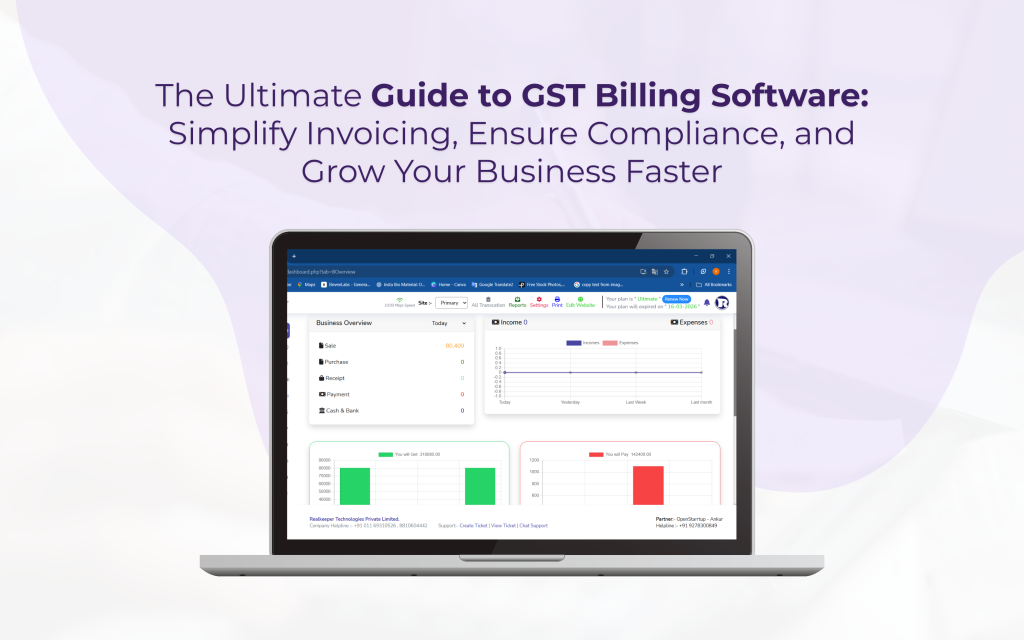
What is Billing Management Software?
billing management software is a digital tool that helps businesses create invoices, track payments, manage taxes, and organize financial data in one place.
Instead of doing everything manually, the software automates the entire billing process.
From generating invoices to sending reminders for pending payments — everything is handled smoothly.
In simple words, billing management software saves time, reduces mistakes, and keeps your business organized.
Why Businesses Need Billing Management Software in 2026
Let’s be honest.
Manual billing is slow, outdated, and risky.
Here’s what usually happens without proper software:
- You forget to send invoices
- Clients delay payments
- Calculation mistakes happen
- GST/tax filing becomes stressful
- Financial data gets scattered
Now compare that with using billing management software:
- Automatic invoice generation
- Payment tracking in real-time
- Tax calculations done instantly
- Organized financial reports
- Professional-looking invoices
The difference is massive.
Businesses that use billing management software operate faster and look more professional.
Key Features of Billing Management Software
Not all tools are equal, but a good billing management software should include these features:

1. Easy Invoice Generation
Create professional invoices in seconds. Add logo, details, and send directly to clients.
2. Automated Payment Tracking
Track who has paid and who hasn’t — without checking manually.
3. GST & Tax Management
Automatic tax calculations save time and reduce errors.
4. Reports & Analytics
Get clear insights into your income, expenses, and profit.
5. Cloud-Based Access
Access your billing data anytime, anywhere.
6. Multi-User Access
Perfect for teams — multiple users can manage billing together.
Benefits of Using Billing Management Software
If you think this is just about invoices, you’re missing the bigger picture.
1. Saves Time
Manual billing takes hours. Software reduces it to minutes.
2. Reduces Errors
No more calculation mistakes or missing entries.
3. Improves Cash Flow
Automated reminders help you get paid faster.
4. Professional Image
Clean, branded invoices build trust with clients.
5. Better Decision Making
Reports help you understand your business performance.
Who Should Use Billing Management Software?
This is not just for big companies.
billing management software is useful for:
- Small business owners
- Freelancers
- Shop owners
- Service providers
- Startups
- Agencies
If you deal with money, invoices, or clients — you need it.
How to Choose the Right Billing Management Software
Don’t make the mistake of picking random software.
Here’s what you should check:
1. Ease of Use
If it’s complicated, you won’t use it.
2. Pricing
Choose software that fits your budget.
3. Features
Make sure it covers invoicing, taxes, and reporting.
4. Customer Support
Support matters when you face issues.
5. Scalability
It should grow with your business.
Popular Billing Management Software Options
Some widely used billing management software tools include:
- Tally Prime
- Zoho Invoice
- QuickBooks
- Vyapar
Each tool has its own strengths. The best choice depends on your business size and needs.
Common Mistakes to Avoid
Let’s be blunt — most people mess this up.
1. Choosing Free but Limited Tools
Free sounds good, but limited features can hurt your business.
2. Ignoring Automation
If you’re still doing manual work inside software, you’re wasting its power.
3. Not Backing Up Data
Always ensure your data is safe.
4. Delaying Implementation
The longer you wait, the more problems you create.
Future of Billing Management Software
In 2026 and beyond, billing management software is becoming smarter.
- AI-based financial insights
- Automated tax compliance
- Integration with banking systems
- Real-time financial dashboards
This means less manual work and more smart decisions.
Conclusion
If you’re serious about your business, stop treating billing as a side task.
It directly affects your cash flow, professionalism, and growth.
Billing management software is not an expense — it’s an investment.
The sooner you switch, the faster your business becomes efficient and scalable.
Don’t wait until your records become unmanageable.
Start using billing management software today and take full control of your business finances.